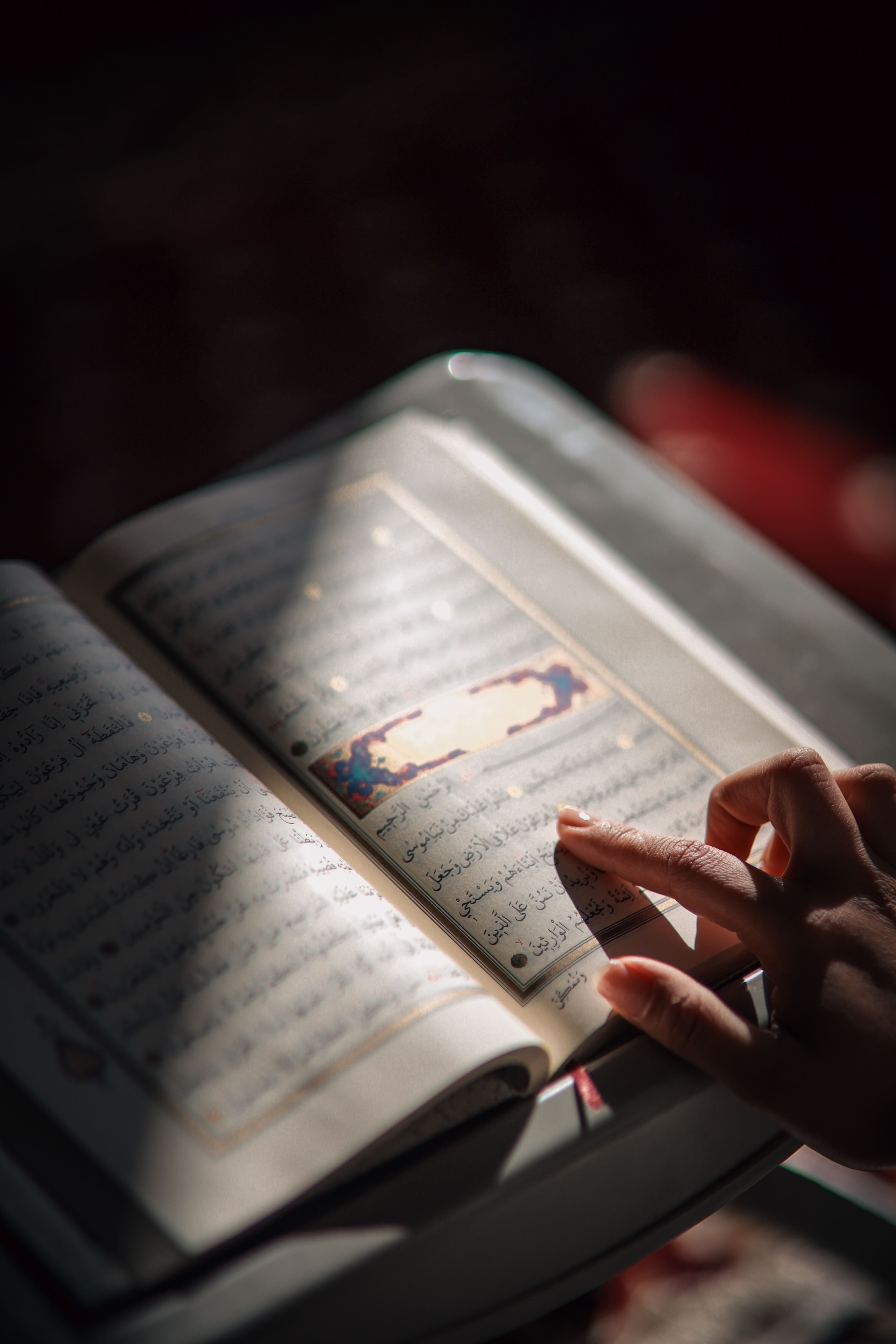
Fasting in Islam (Sawm): A Spiritual Pillar and Act of Faith
Understanding the deep meaning of Ramadan and Islamic fasting

Introduction: Sawm — Far More Than Abstinence
Sawm (الصوم), Islamic fasting, is the fourth pillar of Islam. Every year during the blessed month of Ramadan, hundreds of millions of Muslims around the world abstain from eating, drinking, and intimate relations from dawn until sunset. Yet fasting in Islam goes far beyond the physical dimension — it is above all a spiritual discipline, an act of total devotion to Allah.
The Quran is explicit on this matter: "O you who believe! Fasting has been prescribed for you as it was prescribed for those before you, so that you may become righteous" (Quran 2:183). This divine command reveals that fasting is not a new practice, but a continuation of the prophetic tradition shared by all Abrahamic faiths.
The Quranic and Prophetic Foundations of Fasting
Ramadan holds its central place in Islam because it was during this month that the Quran was revealed to Prophet Muhammad ﷺ, making it a month of exceptional sanctity. Allah says in the Quran: "The month of Ramadan is the one in which the Quran was revealed as guidance for people and as clear proofs of guidance and criterion. So whoever among you witnesses this month, let him fast" (Quran 2:185).
The Prophet Muhammad ﷺ also abundantly encouraged fasting through his hadiths. He said: "Every action of the son of Adam is for himself, except fasting — it is for Me, and I shall reward it" (Bukhari & Muslim). This prophetic tradition illustrates the unique and intimate dimension of fasting in the relationship between the believer and their Creator.
The Conditions and Obligations of Fasting
Who Is Required to Fast?
The Ramadan fast is obligatory (fard) for every adult Muslim who is of sound mind, physically able, and not travelling. Several categories of people are exempted or may postpone their fast:
- Children (before puberty): fasting is not obligatory, though it may be gradually encouraged.
- The ill: those whose health would be harmed by fasting may break it and make it up later.
- Travellers: they may break the fast and compensate after Ramadan.
- Pregnant or breastfeeding women: if they fear for their health or their child's, they may refrain from fasting.
- The elderly or chronically ill: unable to fast, they may pay fidya (a charitable compensation).
The Pillars of the Fast
For a fast to be valid, two essential conditions must be met: the intention (niyyah), made before dawn, and abstinence from all that invalidates the fast from sunrise to sunset.
What Breaks the Fast
The acts that invalidate the fast are well-defined in Islamic jurisprudence:
- Intentionally eating or drinking
- Marital relations
- Intentionally induced vomiting
- Nutritional injections or infusions
However, certain acts do not break the fast: bathing or showering, using a miswak or toothbrush (while avoiding swallowing), non-nutritive medical injections, or accidentally eating or drinking out of forgetfulness.
The Spiritual Dimensions of Sawm
Taqwa: Drawing Closer to Allah
The ultimate goal of fasting is taqwa (God-consciousness, piety). By depriving oneself of needs as fundamental as food and drink, the believer reminds the soul of its true dependence on Allah. Fasting breaks the tyranny of physical desires and elevates the human being toward a higher spiritual awareness.
The Night of Power: Laylat al-Qadr
Ramadan culminates with Laylat al-Qadr (the Night of Power), observed during the last ten nights of the month, particularly the odd nights. The Quran describes it as "better than a thousand months" (Quran 97:3). Muslims multiply their prayers, Quranic recitations, and supplications in search of this blessed night.
Generosity and Social Solidarity
Fasting sharpens compassion. By feeling hunger, the believer better understands the reality of the poor and hungry. This is why Ramadan is also a season of intense generosity: Zakat al-Fitr (the charity of fast-breaking) is obligatory at the end of Ramadan for every Muslim, so that the less fortunate may also celebrate Eid.
Recommended Practices During Ramadan
Suhur: The Pre-Dawn Meal
The Prophet ﷺ strongly recommended suhur, the meal taken before dawn. He said: "Have the suhur meal, for in the suhur there is blessing" (Bukhari). This meal provides energy for the day and is in itself an act of worship.
Iftar: Breaking the Fast
At sunset, the fast is broken with iftar, traditionally begun with dates and water, following the Sunnah of the Prophet ﷺ. The supplication at the time of breaking the fast is among the most answered prayers: "Dhahabadh-dhama'u wabtallatil-'urooqu wa thabatal-ajru insha-Allah" ("Thirst is gone, the veins are refreshed, and the reward is confirmed, if Allah wills").
Tarawih Prayer
The nights of Ramadan are enlivened by the supererogatory Tarawih prayer, performed in congregation after the Isha prayer. It is a moment of collective spiritual communion, during which the entirety of the Quran is often recited over the course of the month.
Fasting Outside of Ramadan
Islam also encourages voluntary fasts throughout the year, including:
- Six days of Shawwal (the month after Ramadan): the Prophet ﷺ said that whoever fasts Ramadan and then six days of Shawwal is as if they fasted the whole year.
- Mondays and Thursdays: the Prophet fasted these two days, as deeds are presented to Allah on them.
- The Day of Ashura (10th Muharram): in expiation of the previous year's sins.
- The Day of Arafat (9th Dhul Hijja): in expiation of the past and coming year's sins.
The Benefits of Fasting for Body and Soul
Modern science confirms what Islam has taught for fourteen centuries: intermittent fasting offers numerous health benefits. It promotes body detoxification, improves insulin sensitivity, reduces inflammation, and may contribute to longevity. Spiritually, it strengthens willpower, cultivates gratitude, and enhances self-awareness.
The Prophet Muhammad ﷺ summarized the essence of fasting in these words: "Whoever does not give up false speech and acting upon it, Allah has no need of his giving up his food and drink" (Bukhari). True fasting is therefore that of the heart, the tongue, and the limbs — not just the stomach.
Conclusion: An Inner Journey Toward the Light
Sawm is far more than a religious obligation: it is a school of discipline, compassion, and spirituality. It reminds every Muslim of their vulnerability before Allah and their responsibility toward their fellow human beings. In fasting, the believer does not merely give up food — they renew themselves, purify themselves, and draw closer to the Essential.
May this month of Ramadan be for everyone a source of blessings, forgiveness, and spiritual growth. Ramadan Mubarak.
About the author

Abderrazak Memmiche
After a long career in the luxury hotel industry, I have chosen to dedicate myself to what truly matters. Driven by a profound spiritual quest, I share reflections and writings inspired by Islam through this blog, aiming to rediscover its authentic message: a message of peace, wisdom, and light, far removed from distortions and hateful rhetoric. My goal is simple: to convey a sincere, accessible message that remains true to the core values of Islam.
0 comments
Comments
No comments yet. Be the first to leave a thoughtful response.