Tawhid: The Oneness of Allah, Foundation of Islam and Existence
Understanding the beating heart of Islamic faith
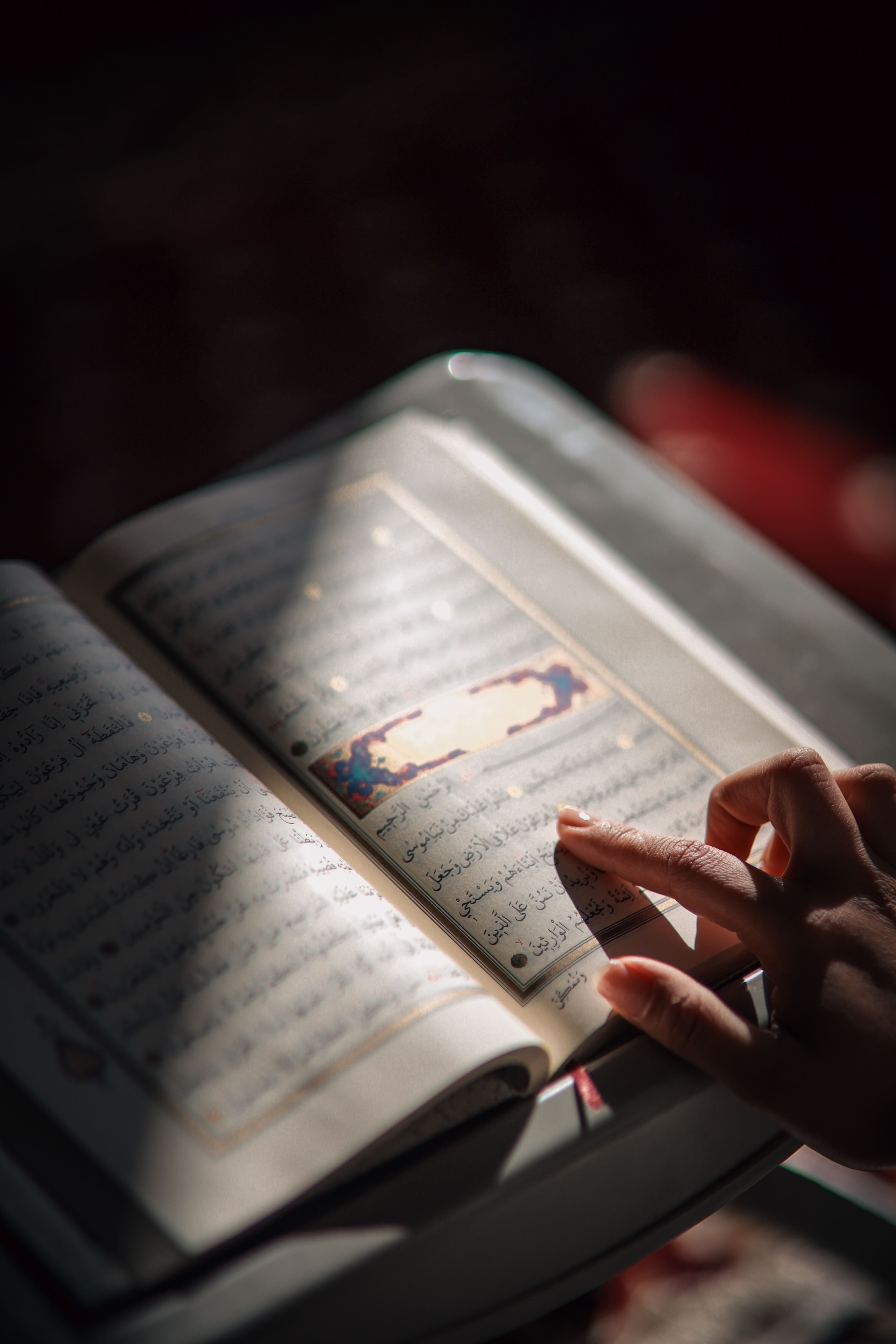
"Say: He is Allah, the One"
There is no shorter sentence, yet none more immense, in the entire Islamic tradition than Lā ilāha illā Allāh — "There is no deity but Allah." It is the starting point, the summit, and the center of Islam. Everything originates here. Everything returns to it.
Tawhid — from the Arabic wahhada, to make unique, to unify — is the affirmation that ultimate reality is One. Not one among many. Not the greatest in a pantheon. But the Unique, without partner, without likeness, without limit.
This idea, as simple as it may seem, is a revolution. It liberates the human being from all servitude other than that to Allah. It says: you belong to no one else. You owe your ultimate deference to no earthly power. You are enslaved to no passion, no idol, no fear — if you truly understand what you are declaring.
The Three Dimensions of Tawhid
1. Tawhid ar-Rububiyya: the Oneness of Lordship
Allah is the sole Lord of the universe. He is the Creator, the Provider, the Sustainer of all things. Nothing exists without His will. Nothing occurs outside His knowledge. This dimension of Tawhid means recognizing that there is no first cause other than Allah, no independent force, no absolute randomness.
The Quran says: "Allah is the Creator of all things, and He is, over all things, Disposer of affairs" (Az-Zumar: 62). The entire universe is a sign of this Lordship: every star, every cell, every breath testifies to an ordering Will.
2. Tawhid al-Uluhiyya: the Oneness of Worship
If Allah is the sole Lord, He is also the sole One worthy of worship. This dimension is the heart of the shahada. It does not concern only the great prostrations or ritual prayers — it touches every act of life. Eating, working, loving, resting: all can become worship if the intention is directed toward Allah.
This is why Islam knows no separation between the sacred and the profane. There is no "religious" domain and "secular" domain. Everything belongs to Allah, and everything can be consecrated to Him.
3. Tawhid al-Asma' wa as-Sifat: the Oneness of Names and Attributes
Allah describes Himself in the Quran and through the words of the Prophet ﷺ. He is Ar-Rahman (the Most Merciful), Al-Hakim (the All-Wise), Al-Qadir (the All-Powerful), Al-Latif (the Subtle). These attributes belong to Him alone, in a manner that transcends all comparison with creation.
To understand the Names of Allah is to enter into relationship with Him — to know to Whom one speaks in prayer, to Whom one confides in tears, from Whom one hopes when all seems lost.
Tawhid as Liberation
One medieval Muslim philosopher wrote that Islamic monotheism is the greatest declaration of freedom ever proclaimed. For to say "No deity but Allah" is also to say: money is not my deity. Power is not my deity. The opinion of others is not my deity. My fears are not my deity.
How many human beings live under the tyranny of hidden deities — the ego, social approval, fear of death, the lure of gain? Tawhid is the antidote. It recenters. It liberates. It restores to the soul its original dignity.
Surah Al-Ikhlas: Tawhid in Four Verses
Surah Al-Ikhlas (112) is often called "a third of the Quran" because it contains the very essence of the Quranic message:
"Say: He is Allah, the One. Allah, the Eternal Refuge. He neither begets nor is born. Nor is there to Him any equivalent."
In four verses, everything is said. Absolute oneness (Ahad). Divine self-sufficiency (As-Samad). The negation of all lineage. Total incomparability. To meditate upon this surah daily is to renew one's covenant with the most fundamental truth.
Living Tawhid Daily
Tawhid is not an abstract theology reserved for scholars. It is a way of living, deciding, suffering and rejoicing. Some concrete expressions: saying "Alhamdulillah" in success — acknowledging that all good comes from Allah. Saying "Inna lillahi wa inna ilayhi raji'un" in loss — affirming that nothing is random, but a return to the Source. Practicing Istikharah in decisions — asking Allah to guide toward what is better, for only He sees the unseen.
Conclusion: Returning to the One
In a fragmented world, exhausted by noise and multiplicity, Tawhid offers something rare: unity. Unity of meaning, unity of direction, unity of heart. When a Muslim pronounces the shahada, they are not reciting a formula — they are declaring an allegiance, an orientation, a vision of reality. I know where I come from, why I am here, and where I return. Perhaps the simplest and most profound thing a human being can ever understand.
About the author
Abderrazak Memmiche
After a long career in the luxury hotel industry, I have chosen to dedicate myself to what truly matters. Driven by a profound spiritual quest, I share reflections and writings inspired by Islam through this blog, aiming to rediscover its authentic message: a message of peace, wisdom, and light, far removed from distortions and hateful rhetoric. My goal is simple: to convey a sincere, accessible message that remains true to the core values of Islam.
0 comments
Comments
No comments yet. Be the first to leave a thoughtful response.