When Evidence Isn't Enough: The Human Habit of Looking Away
What Don't Look Up reveals about denial — and what the Qur'an said about it 14 centuries ago
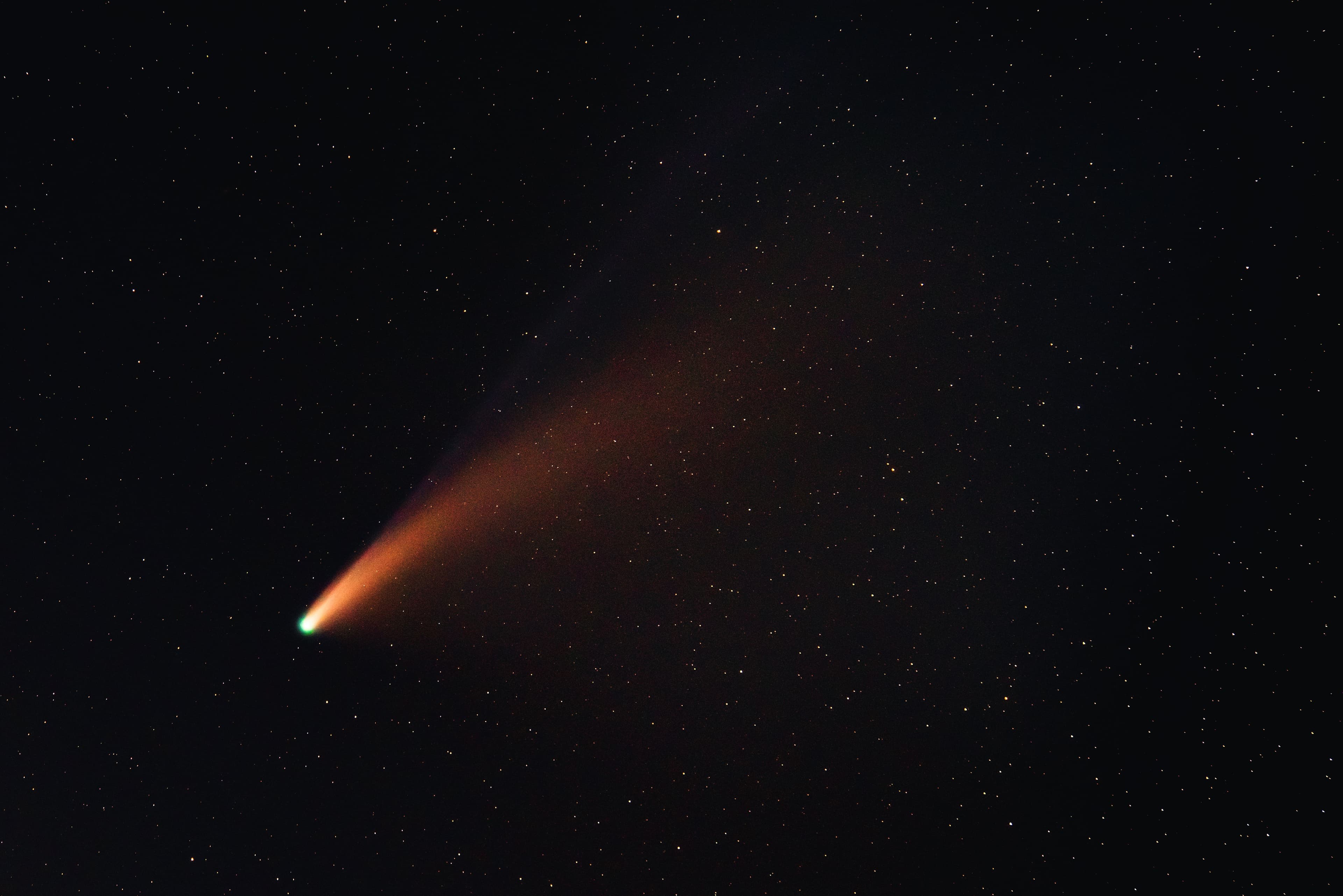
Don't Look Up became one of the most talked-about films of the past few years, and not because of the comet. What people kept discussing afterward wasn't the special effects — it was the uncomfortable feeling of recognition. The film isn't really about an asteroid. It's about us.
The lesson of Don't Look Up
Two astronomers discover a comet on a collision course with Earth. The evidence is solid, checked, rechecked. And yet, almost nobody in power actually wants to hear it. Politicians calculate the electoral cost of alarming people. Media outlets turn a planet-ending threat into a talk-show segment. Commentators split into tribes, arguing not about the data but about which side is allowed to be right. Pride, convenience, and self-interest all outweigh the evidence in front of everyone's eyes.
The satire lands because it's not exaggerated as much as we'd like to think. The film's real subject is denial: how a truth can be fully visible and still go unseen, simply because seeing it would require people to change.
The Qur'an describes the same pattern
This is not a new observation. It's one the Qur'an makes repeatedly, and with striking precision, about people who reject clear signs — not for lack of evidence, but because accepting it would cost them something.
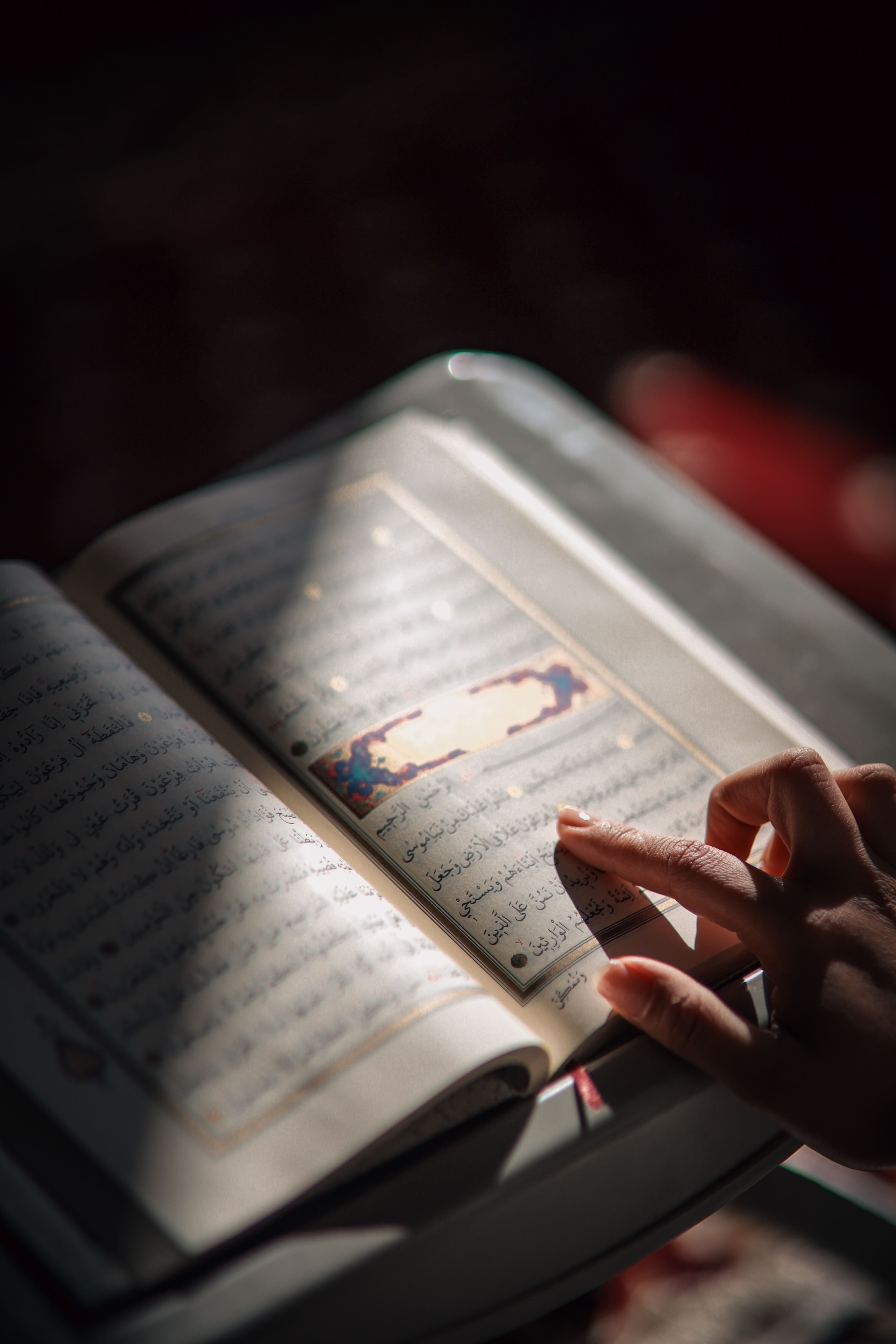
"They rejected them, while their [inner] selves were convinced thereof, out of injustice and arrogance." (Qur'an 27:14)
This verse describes Pharaoh's people facing Moses' signs. They weren't confused. They were certain — and they rejected the truth anyway, because that certainty would have demanded a change they weren't willing to make.
"But is it [not that] every time a messenger came to you with what your souls did not desire, you were arrogant?" (Qur'an 2:87)
Here the problem isn't a lack of proof either. It's desire — the truth arrived inconveniently, asking something of people that their pride refused to give.
And perhaps the sharpest verse of all diagnoses exactly where the failure happens:
"Have they not traveled through the land so that they may have hearts by which to understand...? It is not the eyes that are blind, but the hearts within the breasts [that grow blind]." (Qur'an 22:46)
Denial, in other words, isn't a failure of the senses. It's a failure of the heart — the part of a person that decides whether to actually let a truth in.
This is not only about religion
It would be easy — and wrong — to read all this as "believers see clearly, everyone else is blind." The Qur'an isn't describing one group; it's describing a human tendency that runs through everyone. Scientists cling to disproven theories because their careers were built on them. Politicians of every persuasion bend facts to protect a narrative. Religious people reject sound arguments that challenge their assumptions. Atheists do the same in reverse. Nobody is naturally exempt.
The astronomers in Don't Look Up are right, but even they aren't spared from ego, fear, and compromise once the pressure mounts. That's the point: the habit of looking away from inconvenient truths isn't a flaw of "the other side." It's a default setting of being human, and the only real defense against it is humility.
The Qur'anic solution
If the diagnosis is resistance born of pride, the remedy the Qur'an proposes is the opposite posture: genuine listening before judgment, reflection instead of reaction, and a real willingness to change once the truth becomes clear. Not blind acceptance of everything said — but a mind sincere enough to weigh what it hears and follow whatever turns out to be soundest, even when it's costly.
That posture is described beautifully in one of the Qur'an's closing notes on the subject:
"So give good news to My servants — those who listen to what is said and follow the best of it. Those are the ones Allah has guided, and they are people of understanding." (Qur'an 39:17–18)
Don't Look Up doesn't prove anything about Islam, and it isn't meant to. What it does is dramatize, in two hours, a pattern the Qur'an named fourteen centuries ago: people rarely reject the truth because it's unclear. They reject it because seeing it clearly would mean they'd have to change. The film ends badly for a reason — because in the story, nobody looked up in time. The invitation, for anyone watching, is simpler: look up before it's too late.
About the author
Abderrazak Memmiche
After a long career in the luxury hotel industry, I have chosen to dedicate myself to what truly matters. Driven by a profound spiritual quest, I share reflections and writings inspired by Islam through this blog, aiming to rediscover its authentic message: a message of peace, wisdom, and light, far removed from distortions and hateful rhetoric. My goal is simple: to convey a sincere, accessible message that remains true to the core values of Islam.
1 comments
Arif Syed
3 months ago
May Allah SWT bless you.