Justice in Islam: A Divine Command, A Human Mission
From Quranic foundations to the harsh realities of today's world
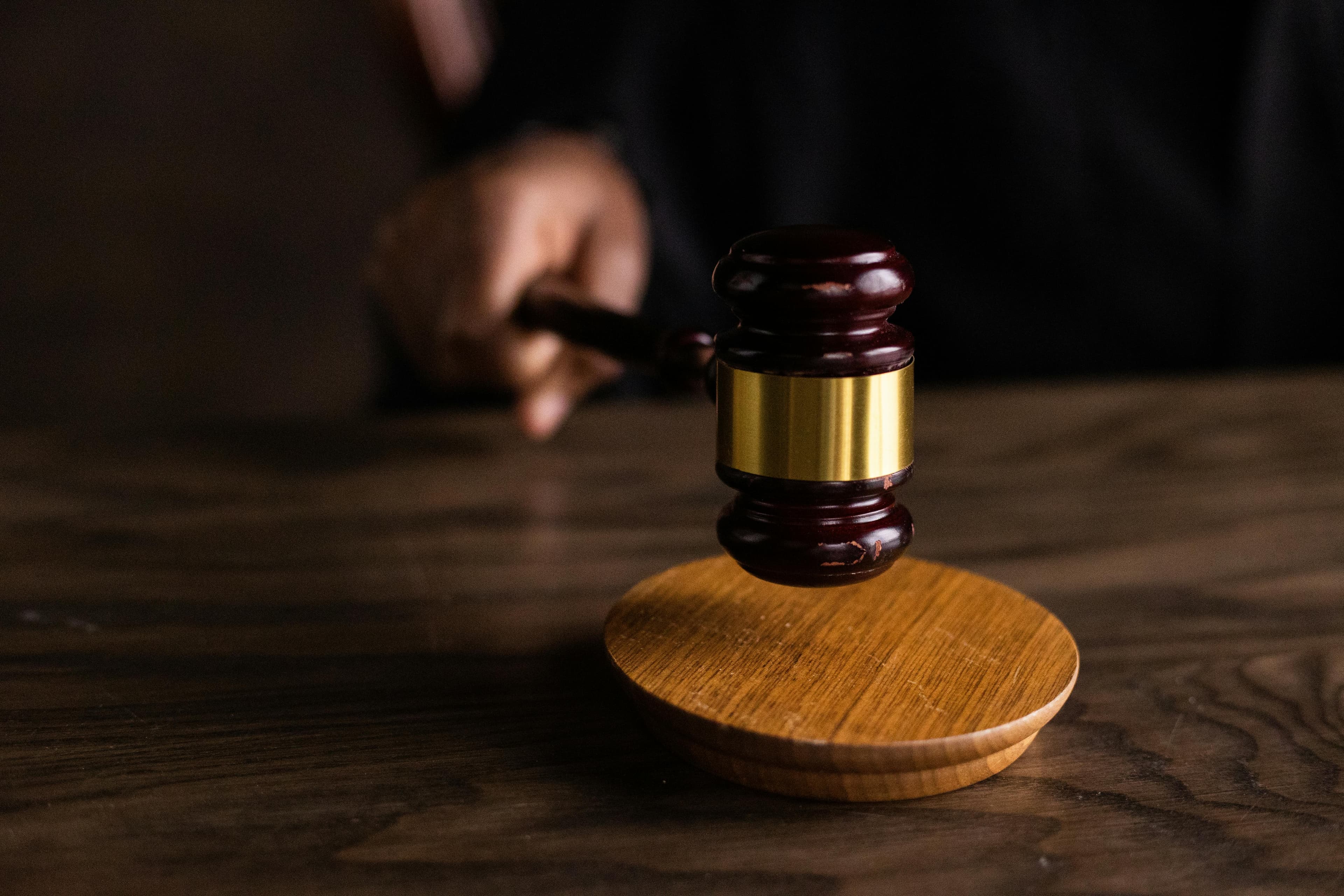
Justice in Islam is not merely a social virtue or a philosophical ideal — it is a divine commandment, woven into the very fabric of creation. Long before Greek philosophers theorized on equity, long before modern revolutions proclaimed the equality of rights, Allah had already set down in His eternal Book the foundations of a perfect, absolute justice — one without borders or compromise.
Adam as Vicegerent: A Mission of Justice from the Start
The story of justice in Islam begins with the creation of humanity itself. When Allah announced to the angels His decision, He said:
"And [mention, O Muhammad], when your Lord said to the angels, 'Indeed, I will make upon the earth a successive authority (khalifa)...'" > (Surah Al-Baqara, 2:30)
The word khalifa — vicegerent, steward, successor — is not an honorary title. It is a mission. Humanity was not placed on earth merely to inhabit it, but to represent Allah's highest values: justice, equity, and truth. Every act of injustice on this earth is therefore a betrayal of the very purpose for which humanity was created.
The angels, astonished, questioned the wisdom of this choice. Allah's answer was sovereign: "I know what you do not know." (2:30) — for He knew that among Adam's descendants would rise prophets, the righteous, and witnesses to truth.
The Quranic Verses: Justice Without Compromise
The Quran does not speak of justice as a vague ideal. It makes it an absolute imperative — one that applies even against oneself, one's parents, one's allies.
"O you who have believed, be persistently standing firm in justice, witnesses for Allah, even if it be against yourselves or parents and relatives. Whether one is rich or poor, Allah is more worthy of both. So follow not personal inclination, lest you not be just. And if you distort your testimony or refuse to give it, then indeed Allah is ever, with what you do, Acquainted." > (Surah An-Nisa, 4:135)
This verse carries such universal and timeless power that Harvard University's library — in its section dedicated to the greatest legal and justice texts in human history — displays it prominently on its wall. Across all civilizations, legal traditions, and religious texts in the world, this Quranic verse was selected as one of the most complete and demanding articulations of justice ever written — a justice that bows to neither wealth, nor kinship, nor fear.
The Quran further commands:
"And do not let the hatred of a people prevent you from being just. Be just; that is nearer to righteousness." > (Surah Al-Ma'ida, 5:8)
Justice must be upheld even toward those we dislike, even toward the enemy — a principle that profoundly challenges the geopolitical behavior of many of today's nations.
Dawud and the Two Litigants: Justice Demands No Passion
The Quran recounts a profound story involving the Prophet Dawud (David) ﷺ, to whom Allah had granted wisdom, kingship, and judicial authority. Two men came to him in dispute. After hearing one party make his case with eloquence, Dawud was moved to pass judgment before fully hearing the other. Allah then directly addressed him:
"O David, indeed We have made you a successor upon the earth, so judge between the people in truth and do not follow your own desire, as it will lead you astray from the way of Allah. Indeed, those who go astray from the way of Allah will have a severe punishment for having forgotten the Day of Account." > (Surah Sad, 38:26)
This verse, which closes the account, is addressed to a prophet and king — yet it remains a permanent reminder that no title, no status, no first impression justifies deviation from full due process and complete truth. Dawud ﷺ fell in prostration before his Lord, and this moment stands forever as a lesson for every judge, arbitrator, and ruler.
Hadiths: The Weight of Justice and the Darkness of Injustice
The Prophet Muhammad ﷺ left an abundant legacy of teachings on justice.
He said:
"The just will be seated on thrones of light at the right hand of the Most Merciful — and both His hands are right — those who are just in their rulings, in their families, and in all that they manage." > (Muslim)
And he warned:
"Beware of injustice (dhulm), for injustice will be darkness on the Day of Resurrection." > (Muslim)
He also said:
"There is no sin more deserving of having its punishment hastened in this world — in addition to what is stored in the Hereafter — than transgression and severing family ties." > (Abu Dawud, Ibn Maja)
Justice in Islam is not confined to courtrooms — it permeates every human relationship, every institution, and every sphere of life.
Today's World: When Injustice Becomes the System
The contrast between these divine principles and the state of our world today could not be more stark.
Entire peoples live under brutal occupation, stripped of their land, their dignity, and their future, while nations that champion human rights either look away or actively arm the oppressor. Discriminatory laws are crafted not to protect the vulnerable but to serve the interests of the powerful — criminalizing resistance while legalizing aggression, written in favor of one class, one race, one nation, while silently violating the rights of the most marginalized.
Corrupt judges hand down verdicts shaped by political allegiance rather than truth. Unscrupulous lawyers bend and twist legal texts, exploit loopholes, and turn justice into a commodity available only to those who can afford it. Corruption buys consciences, buries evidence, and silences those who dare speak up.
International law is selectively applied; its resolutions are flouted when inconvenient. The same nations that display Surah 4:135 on their library walls are often among those who systematically violate its spirit in their foreign policies, their economic systems, and their treatment of marginalized communities.
This is the taghout — the oppressive power — that the Quran warns against. It has simply taken modern forms: authoritarian regimes that imprison scholars and free the corrupt, economic orders that condemn billions to poverty while a handful accumulate wealth beyond imagination, and legal systems that bend their own rules to shield the powerful.
The believer is not called to despair in the face of this. They are called to witness, to refuse complicity, to never lend their voice or their silence to injustice — and to strive, at every level, so that the just word is not buried.
Conclusion: Al-'Adl, the Most Just, Sees All
Among Allah's ninety-nine names is Al-'Adl — The Perfectly Just. This name is both a comfort and a warning.
Human justice may fail. Courts may be corrupted. Laws may be twisted. But divine justice cannot be bought, manipulated, or delayed forever.
"And We place the scales of justice for the Day of Resurrection, so no soul will be treated unjustly at all." > (Surah Al-Anbiya, 21:47)
This is not resignation — it is the bedrock upon which the oppressed have found the strength to stand, generation after generation. Justice delayed is not justice denied — not when Allah is the final Judge.
About the author

Abderrazak Memmiche
After a long career in the luxury hotel industry, I have chosen to dedicate myself to what truly matters. Driven by a profound spiritual quest, I share reflections and writings inspired by Islam through this blog, aiming to rediscover its authentic message: a message of peace, wisdom, and light, far removed from distortions and hateful rhetoric. My goal is simple: to convey a sincere, accessible message that remains true to the core values of Islam.
0 comments
Comments
No comments yet. Be the first to leave a thoughtful response.