Being a Muslim Woman in the West: Faith, Identity, and Everyday Life
An honest look at the realities, challenges, and strength of women charting their own path
A Diverse Reality That Is Rarely Told Honestly
Muslim women living in Europe, North America, or Australia form an extraordinarily diverse group. Some were born there, others arrived recently. Some are devout practitioners, others are culturally Muslim. Some wear the hijab, others do not. Some are outspoken, others prefer to live quietly. Yet the dominant narrative too often reduces them to a single image: either the oppressed woman, or the woman who must abandon her religion to belong.
Neither caricature reflects the lived experience of millions of women who make thoughtful, deliberate choices every day about how to inhabit their faith, their culture, and their society.
Islam as a Foundation, Not a Burden
For many, Islam is not an external constraint but a genuine inner anchor. Daily prayer, fasting, modest dress — these are not experienced as limitations, but as reference points that bring meaning to a life often pulled between multiple identities.
Many women describe their faith as the very thing that carried them through the hardest periods of their lives: discrimination, grief, social pressure. Islam offered a stability that neither professional success nor social integration could provide on their own.
Real Challenges in Everyday Life
It would be dishonest to dismiss the difficulties. Visibly Muslim women — especially those who wear the hijab — face real discrimination in hiring, in public spaces, and sometimes in schools. In some European countries, restrictive laws limit their access to certain jobs or institutions.
There are also pressures from within: the expectations of sometimes conservative families, the judgments of a community that can be as constraining as it is supportive, and the exhaustion of constantly having to explain oneself — to non-Muslims who see them as submissive, and to some Muslims who consider them too free.
Building an Identity Between Two Worlds
What these women experience is not a permanent identity crisis — it is a construction. Being French-Moroccan and a practicing Muslim, being British and a convert, being a Pakistani-American feminist: these identities coexist, nourish one another, and take deeply personal forms for each individual.
Many have developed their own thoughtful relationship with their religion, moving beyond rigid interpretations sometimes passed down through families or mosques. They read, question, and debate. They refuse to let others define what their faith means to them.
Sisterhood as Strength
One significant development is the emergence of solidarity networks among Muslim women in the West: associations, podcasts, online communities, reading circles, and spiritual gatherings. These spaces allow women to share experiences that are often invisible in public debate, and to build a collective voice without waiting for anyone's permission.
This sisterhood cuts across cultural and ethnic lines. An English convert and a woman of Algerian background may come from entirely different worlds, but they share a common experience of being marginalized — and a shared determination to overcome it.
What Western Societies Would Gain From Listening
Including Muslim women in public debate does not mean speaking on their behalf. It means genuinely giving them the floor. Listening without projecting, reading without presuming, and treating their experiences for what they are: complex, individual, and worth hearing.
Western societies have much to learn from women who have had to inhabit multiple worlds at once, stand firm under the gaze of others, and build something solid despite the headwinds.
Conclusion
Being a Muslim woman in the West is not a contradiction to be resolved. It is a reality to be understood in its full richness. These women do not need to be saved or used as symbols — neither by those who see them as victims, nor by those who deploy them as emblems. Like everyone else, they simply need to be seen for who they truly are.
About the author
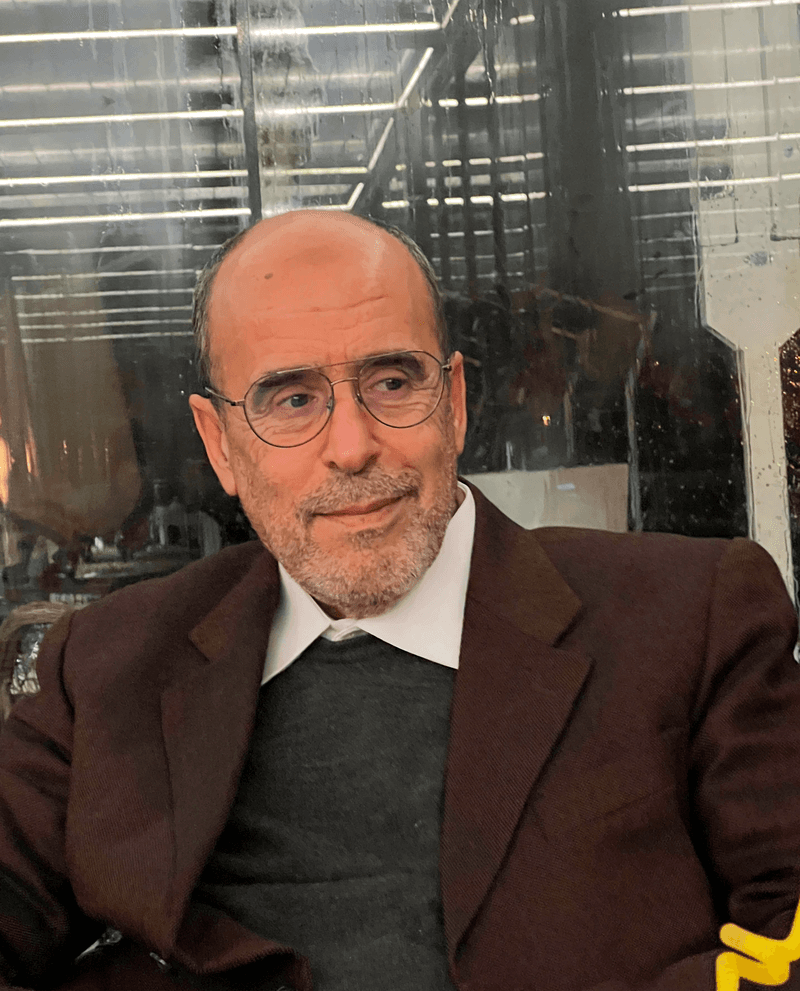
Abderrazak Memmiche
After a long career in the luxury hotel industry, I have chosen to dedicate myself to what truly matters. Driven by a profound spiritual quest, I share reflections and writings inspired by Islam through this blog, aiming to rediscover its authentic message: a message of peace, wisdom, and light, far removed from distortions and hateful rhetoric. My goal is simple: to convey a sincere, accessible message that remains true to the core values of Islam.
2 comments
Moataz
6 months ago
La pertinence de l’analyse et la subtilité des propos sont à l’image de son auteur. Merci si Abderrazak pour ce premier post au sujet de nos soeurs trop souvent mal comprises et passées pour opprimées. J’espère que cet article ouvrira les yeux de certains ignorants.
Med Ahmed Aounallah
6 months ago
Franchement, très beau texte. J’ai aimé la nuance que tu apportes, surtout le fait de sortir des deux caricatures pour montrer des parcours réels, complexes et choisis. Ton idée que le problème vient surtout d’un récit simplifié et confisqué est très claire. Ça se lit comme quelque chose de sincère, posé, et surtout juste.