North Africa's Record Heat: The Warning We're Choosing to Ignore
As wildfires spread and power cuts multiply, beaches stay packed and the question we're avoiding grows louder
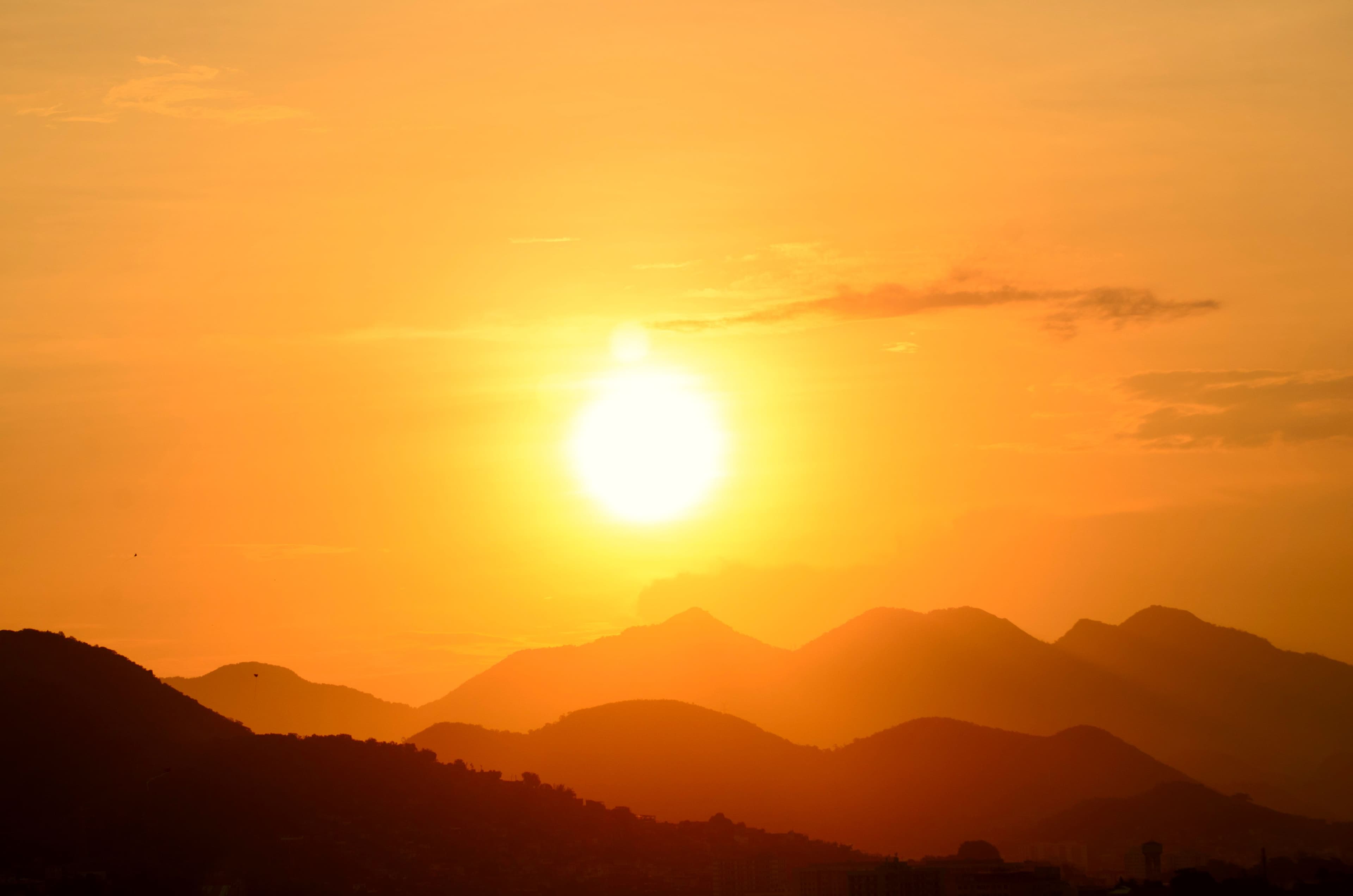
In late July 2026, North Africa crossed a line many assumed was reserved for worst-case scenarios: temperatures above 50°C. A record. Not a headline to skim past, but a signal that, for many, has already stopped registering.
What actually happened
A heatwave that pushed bodies and nerves past their limit. Extreme drought draining reservoirs and groundwater. Wildfires tearing through entire forests, displacing wildlife and rural communities. And repeated power outages that are far more than an inconvenience: they've halted production lines, cut off online work, and cost shopkeepers, artisans, and industrial businesses real money.
These are facts. Measured, documented, and lived by millions of people at the same time.
Meanwhile, the party goes on
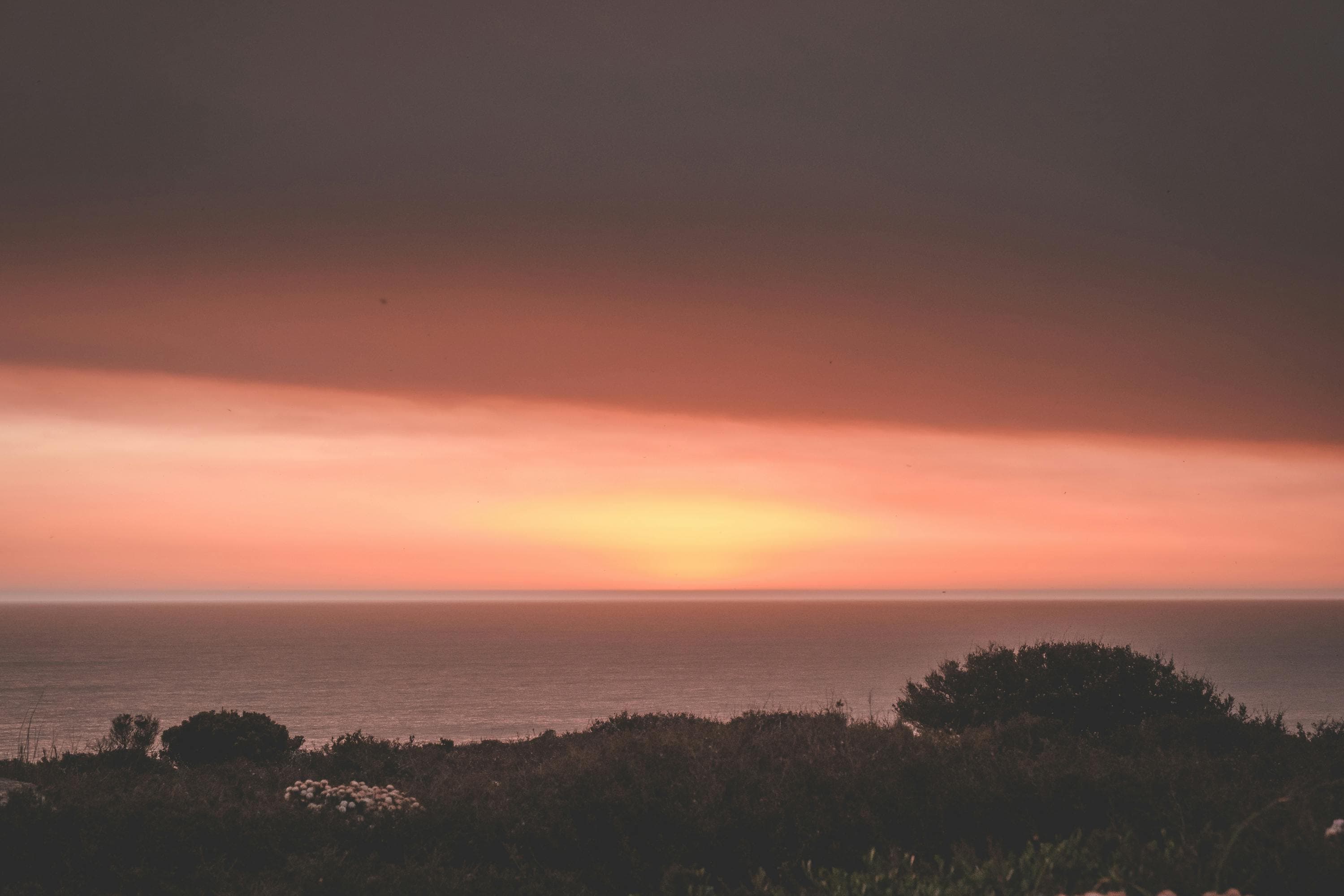
A few kilometers from mountains on fire, beaches are packed. Music plays, gatherings continue, and heedlessness runs deep. For many, it's business as usual: the fire is a news item, the heat a topic of small talk, the blackout a minor annoyance. We look away, we enjoy ourselves, we postpone the question that actually matters: what if this isn't nothing?
That contrast — urgency on one side, indifference on the other — may be the real subject here. Not just the thermometer, but our relationship to what it's telling us.
What the Qur'an tells us
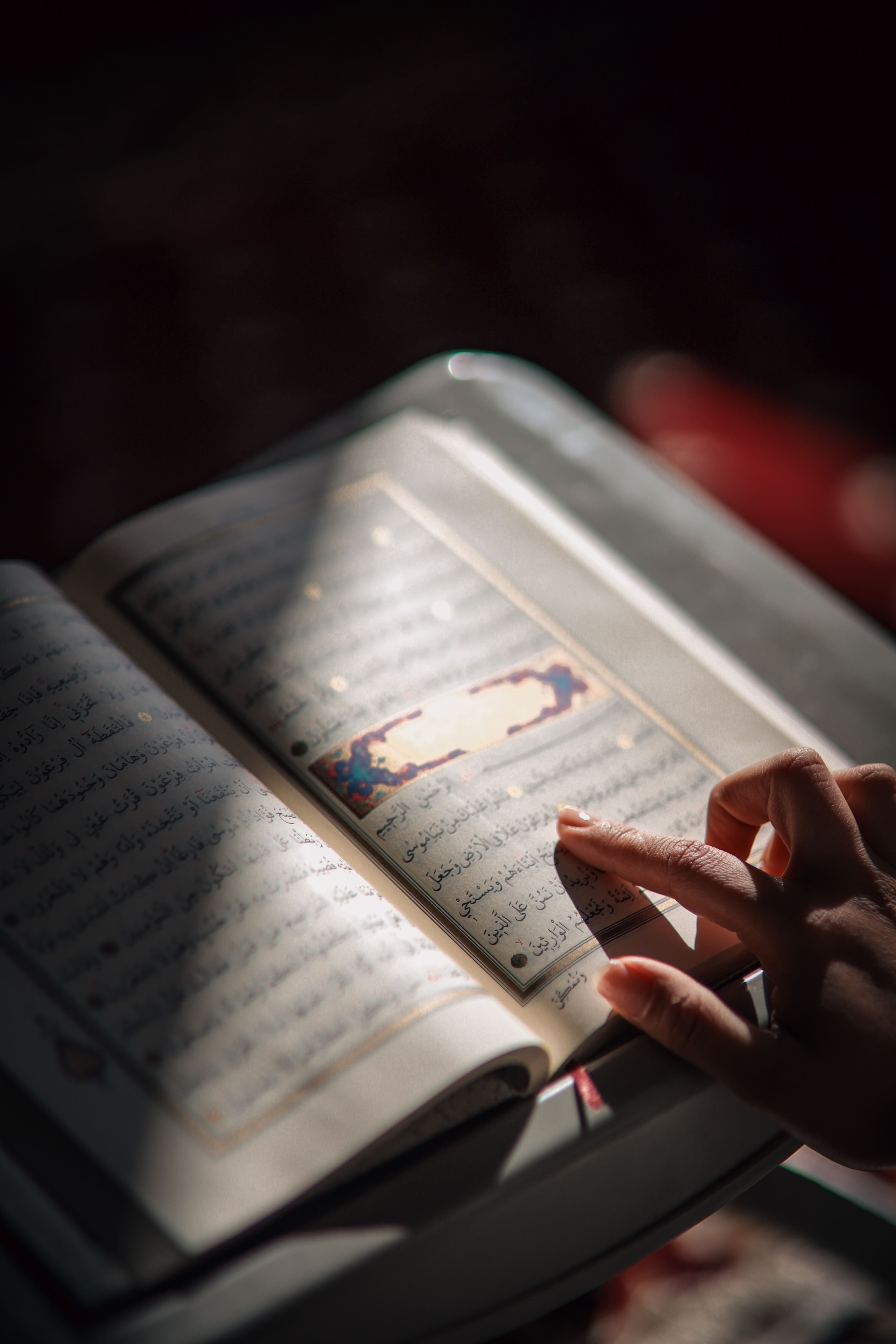
For a Muslim society, none of this should register as mere weather. Allah tells us that righteousness opens the door to blessing, and that turning away from it has a cost:
"And if only the people of the cities had believed and feared Allah, We would have opened upon them blessings from the heaven and the earth; but they denied [the messengers], so We seized them for what they were earning." (Qur'an, Al-A'raf 7:96, translation of the meaning)
And further, a verse that reads almost like a description of our present moment:
"Corruption has appeared throughout the land and sea by [reason of] what the hands of people have earned, so He may let them taste part of what they have done — perhaps they will return [to righteousness]." (Qur'an, Ar-Rum 30:41, translation of the meaning)
This verse doesn't say disasters fall from the sky unrelated to us. It says the opposite: they are, in part, the fruit of our own hands — and their purpose isn't punishment for its own sake, but a push to come back.
What the Prophet ﷺ taught us
Prophetictradition points the same way. On heat itself, the Prophet ﷺ said:
"The intensity of heat is from the exhalation of Hell, so cool down [the prayer] when it is severe." (Reported by Al-Bukhari, no. 3259, and Muslim, no. 615)
On celestial signs more broadly — an eclipse, a natural disaster, a climate extreme — the meaning taught by the Prophet ﷺ is consistent: these are not random accidents of nature, they're reminders. At a solar eclipse, he taught the believers to rise, pray, and call on Allah, explaining:
"The sun and the moon are two signs among the signs of Allah. They do not eclipse for anyone's death or life, but Allah sends them to instill fear in His slaves." (Reported by Al-Bukhari)
A wildfire, a historic heatwave, cracked and thirsty soil: to the believer, these carry the same weight.
As for the heedlessness of those partying beside the disaster, it echoes words reported from At-Tirmidhi, authenticated by Sheikh Al-Albani, in which the Prophet ﷺ told his companions:
"If you knew what I know, you would laugh little and weep much." (Reported by At-Tirmidhi, authenticated in Sahih At-Tirmidhi)
This isn't a call to permanent sorrow. It's a call to clarity — the exact opposite of the heedlessness on display today, on beaches just miles from the flames.
The real question
The Qur'an states a law that goes beyond weather patterns:
"Indeed, Allah will not change the condition of a people until they change what is in themselves. And when Allah intends ill for a people, there is no repelling it, and they have no protector besides Him." (Qur'an, Ar-Ra'd 13:11, translation of the meaning)
This verse places responsibility exactly where it belongs: not on a sky that has turned against us, but on what we choose — or refuse — to change in ourselves.
So the question raised by this heatwave, these wildfires, and these blackouts isn't meteorological. It's spiritual: can we still read a sign when it's placed in front of us? Or have we, collectively, lost the habit of looking up?
The heat will eventually break. The real emergency isn't measured in degrees.
About the author

Abderrazak Memmiche
After a long career in the luxury hotel industry, I have chosen to dedicate myself to what truly matters. Driven by a profound spiritual quest, I share reflections and writings inspired by Islam through this blog, aiming to rediscover its authentic message: a message of peace, wisdom, and light, far removed from distortions and hateful rhetoric. My goal is simple: to convey a sincere, accessible message that remains true to the core values of Islam.
0 comments
Comments
No comments yet. Be the first to leave a thoughtful response.