Qaroun and Elon Musk: Wealth, Hubris, and a Forgotten Quranic Lesson
What the fate of the wealthiest man among the Children of Israel reveals about our modern tech idols
Some stories cross centuries without losing an ounce of relevance. The story of Qaroun (Korah), told in the Quran, is one of them: a man of almost unreal wealth, convinced his genius alone explains his success, before being swallowed by the very earth he thought he ruled. Fourteen centuries later, another man fascinates and unsettles in equal measure: Elon Musk, visionary engineer, champion of artificial intelligence, space conquest, and — more unsettling still — a form of victory over death itself. The comparison is bold. It is no less illuminating for that.
Qaroun, the Quranic figure of excess
Qaroun appears mainly in Surah Al-Qasas (verses 76 to 82), with additional mentions in Al-Ankabut (29:39) and Ghafir (40:24). He belonged to the people of Moses, the Children of Israel, but stood out for his arrogance toward his own community rather than for piety.
His wealth is described in terms that induce vertigo: the keys to his treasuries alone required the strength of several strong men to carry. Far from living this fortune with humility, Qaroun drew from it a sense of superiority, parading before his people in a display of splendor meant to impress and to crush.
Above all, he attributed his success to himself alone. When warned, he replied that his fortune came from knowledge he possessed — a strictly personal merit — refusing to acknowledge any role for divine grace or circumstance.
The verses that tell his rise and fall
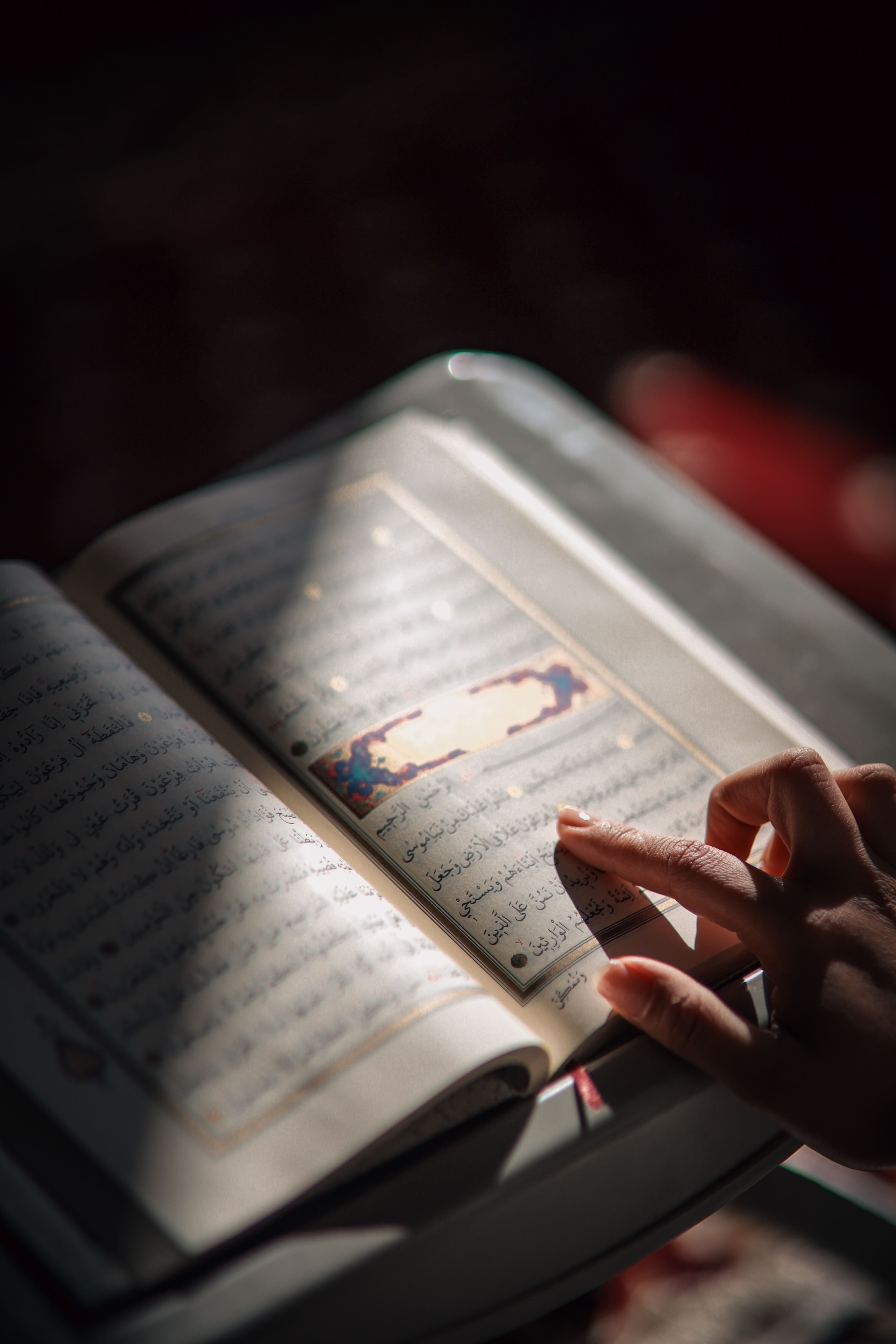
The Quran first describes the opulence and the warning from his own people: "Indeed, Qaroun was from the people of Moses, but he tyrannized them. And We gave him of treasures whose keys would burden a band of strong men. His people said to him: Do not exult; indeed, Allah does not like the exultant." (28:76)
Then comes the claim to personal merit, the heart of Qaroun's tragedy: "He said: I was only given it because of knowledge I have. Did he not know that Allah had destroyed before him generations far mightier than him and greater in accumulation?" (28:78)
Finally, the punishment, as sudden as it is final: "So We caused the earth to swallow him and his home. And he had no group to help him against Allah, nor was he of those who could save himself." (28:81)
This triptych — opulence, intellectual pride, collapse — forms the narrative structure we will now hold up against a very contemporary figure.
Qaroun and Elon Musk: a comparative table
The comparison is not meant literally. It aims to question shared patterns, fourteen centuries apart, between a religious figure and a very real figure of the 21st century.
| Trait / Dimension | Qaroun (Quran) | Elon Musk (today) |
|---|---|---|
| Origin of wealth | Colossal treasures whose keys required the strength of several men | Fortune built on advanced technology (Tesla, SpaceX, Starlink) |
| Philosophy / discourse | "By knowledge I possess" — success attributed solely to his own competence | A discourse built on engineering, AI, and innovation to push back human limits |
| Signature projects | Splendor, displays of power and ostentation before his people | Neuralink, the conquest of Mars, general AI, visions of radical life extension |
| Relationship to human limits | Defiance of moral principles and his people's warnings | A will to treat death as an engineering problem to be solved |
| Public perception | Admired by part of his people, warned against by the wise | Widely admired by tech enthusiasts, criticized for transhumanist hubris |
This parallel does not claim to judge a real man by the standard of a sacred story. It offers instead a reading grid: a recurring human pattern, in which extreme material success is sometimes accompanied by a discourse of self-sufficiency and a desire to transcend the human condition itself.
Hubris, a timeless flaw
In the Quranic account, it is not Qaroun's wealth that causes his downfall. The Quran never condemns prosperity as such. What is punished is arrogance — al-baghy — the exclusive attribution of success to one's own genius, and the illusion of being shielded from all vulnerability by fortune or knowledge.
This reading resonates with certain criticisms leveled today at Silicon Valley culture and its most prominent figures. Seeking to bypass mortality, merging humans with machines, positioning oneself as the architect of a post-human future: these ambitions can be read as a modern form of excess, where technical progress replaces any accepted limit.
There is also a collective dimension that Qaroun's story already highlights: the extreme concentration of wealth and technological power in the hands of a single man is never a neutral fact. It carries a responsibility toward society as a whole, well beyond the individual concerned.
Is there really reason to worry about Elon Musk's fate?
Asked head-on, this question calls for a cautious answer. No text, no serious tradition allows anyone to prejudge a specific individual's fate, or to turn an edifying story into an anticipated verdict on a real person. That would betray the very spirit of the Quran, which invites self-reflection far more than judgment of others.
The comparison nonetheless retains its full value as a mirror. It invites everyone — not only the most visible public figures — to ask what place success, personal merit, and awareness of one's limits occupy in their own life. Qaroun's fate is not a threat hanging over one particular man; it is a warning offered to anyone who places their ultimate trust in intellect or fortune alone.
Conclusion: fragility behind power
Qaroun and Elon Musk belong neither to the same century nor to the same order of truth: one is a sacred story carrying a moral lesson, the other a very real entrepreneur whose future remains, by definition, open. But the question raised by bringing them together goes beyond either figure.
Material or scientific power, however impressive, always carries a form of fragility once it is accompanied by a forgetting of ethical limits and the human condition. Remembering Qaroun is not a condemnation of wealth or innovation — it is a reminder that no success, however great, exempts anyone from humility.
About the author
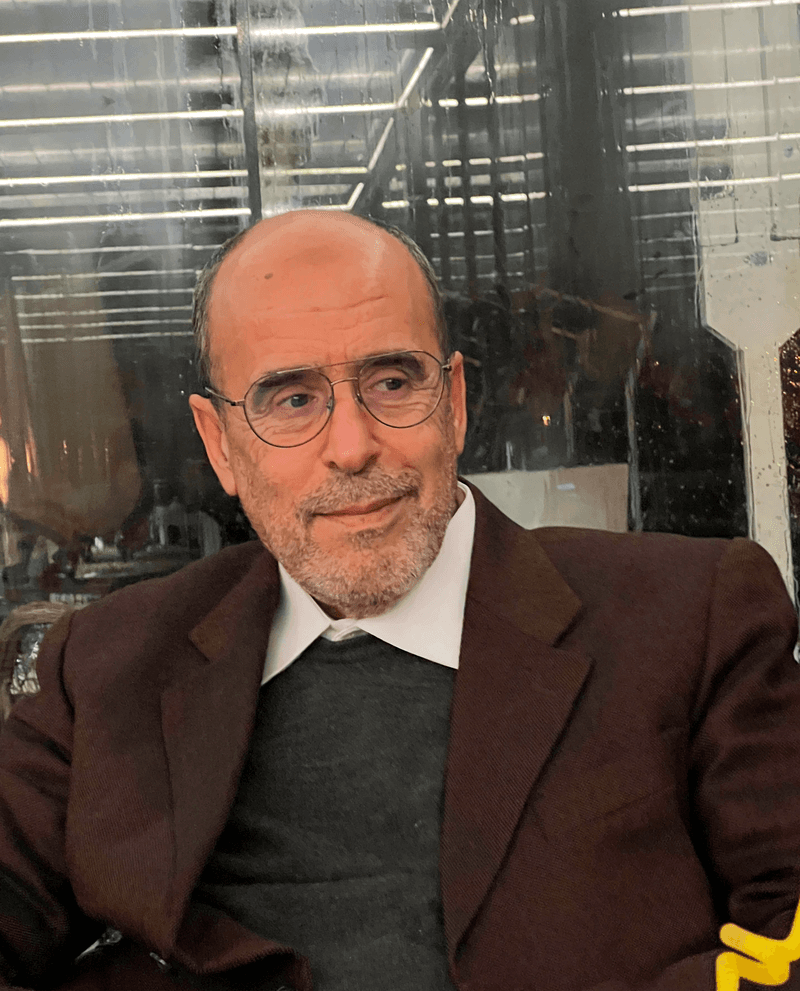
Abderrazak Memmiche
After a long career in the luxury hotel industry, I have chosen to dedicate myself to what truly matters. Driven by a profound spiritual quest, I share reflections and writings inspired by Islam through this blog, aiming to rediscover its authentic message: a message of peace, wisdom, and light, far removed from distortions and hateful rhetoric. My goal is simple: to convey a sincere, accessible message that remains true to the core values of Islam.
0 comments
Comments
No comments yet. Be the first to leave a thoughtful response.