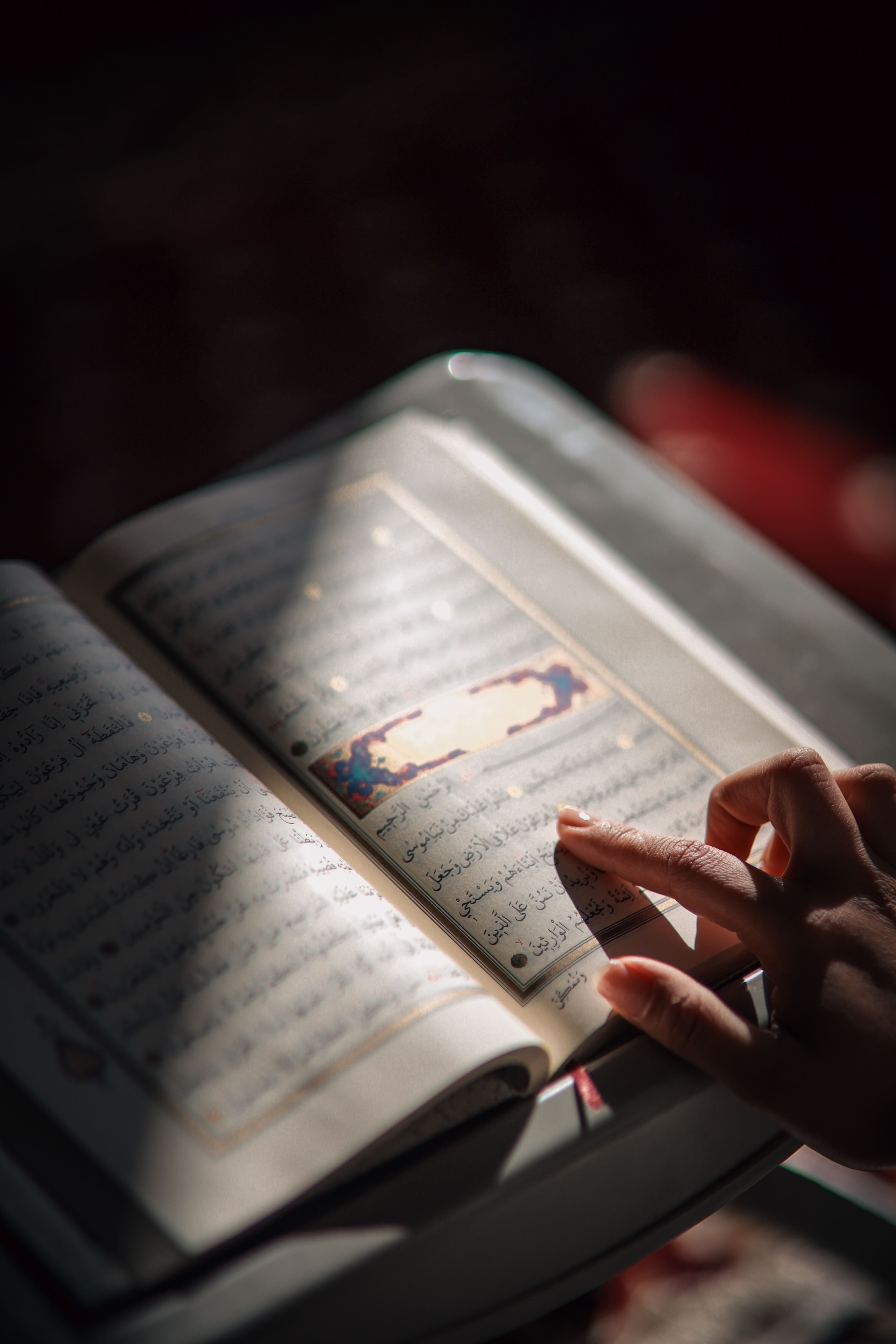
Repentance in Islam: Turning Back to Allah Before It Is Too Late
Quranic verses, hadiths, and the story of the three companions of Tabuk

Tawba — repentance — is one of the most noble acts of worship in Islam. It is the sincere return of the servant to his Lord after the distance caused by sin. Allah ﷻ does not merely accept repentance — He loves it, and He rejoices over it in a way beyond our comprehension. No sin is too heavy, no past too dark: the door remains open as long as the sun has not risen from the West.
Repentance in the Quran
Allah ﷻ addresses all who have sinned with a tenderness that disarms:
"Say: O My servants who have transgressed against themselves — do not despair of the mercy of Allah. Indeed, Allah forgives all sins. Indeed, it is He who is the Forgiving, the Merciful." > — (Surah Az-Zumar, 39:53)
This verse is an outstretched hand to everyone, regardless of the nature or weight of their wrongdoings. He also says:
"Indeed, Allah loves those who are constantly repentant and loves those who purify themselves." > — (Surah Al-Baqarah, 2:222)
And in Surah At-Tahrim, the call is direct and urgent:
"O you who have believed, repent to Allah with sincere repentance. Perhaps your Lord will remove from you your misdeeds and admit you into gardens beneath which rivers flow." > — (Surah At-Tahrim, 66:8)
Repentance is not a surrender — it is an elevation. The one who returns to Allah returns to his very nature, to what he was created for.
Hadiths on Repentance
The Prophet ﷺ conveyed to us words that touch the heart deeply:
"Allah stretches out His hand at night to accept the repentance of the one who sinned during the day, and He stretches out His hand during the day to accept the repentance of the one who sinned during the night — until the sun rises from the West." > — (Sahih Muslim)
"Allah rejoices more over the repentance of His servant than one of you who finds his lost camel in a barren wasteland." > — (Sahih Muslim)
"Every son of Adam commits sins, and the best of those who commit sins are those who repent." > — (Tirmidhi, hasan)
The Prophet ﷺ himself — he who was preserved from sin — sought forgiveness from Allah more than seventy times a day. Not out of need, but to teach his people that repentance is the path of the humble, the mark of a living heart.
The Story of the Three Repentant Companions of Tabuk
Among the most moving accounts in the Quran is the story of three companions: Ka'b ibn Mālik, Hilāl ibn Umayya, and Murāra ibn Ar-Rabī'. These three men had stayed behind without valid excuse from the great expedition to Tabuk, in the 9th year of the Hijra.
Upon their return, they did not do as the hypocrites who fabricated excuses. They honestly confessed their fault to the Prophet ﷺ. In response, he forbade anyone from speaking to them. For fifty days, they lived in complete isolation. Their wives were separated from them. People averted their eyes. The entire community ignored them.
Ka'b ibn Mālik narrated: "The earth, despite its vastness, seemed to close in around me. I did not know what to do with myself." Then, after fifty nights of trial, following the Fajr prayer, he heard a man calling from the top of Mount Sal': "Rejoice, Ka'b ibn Mālik!" He fell in prostration, knowing that Allah had spoken.
Allah ﷻ then revealed:
"And [He also forgave] the three who were left behind until, when the earth was straitened for them, despite its vastness, and their souls were straitened for them and they became certain that there is no refuge from Allah except in Him — then He turned to them so they could repent. Indeed, Allah is the Accepting of repentance, the Merciful." > — (Surah At-Tawba, 9:118)
This story is not merely that of three men. It is the mirror of every soul that has faltered, that carries the weight of its fault in silence, and waits — with trembling hope — for divine mercy to descend.
Conditions of Sincere Repentance
Scholars have established that accepted tawba rests on several pillars:
Immediately ceasing the sin — One cannot repent from a sin while still committing it.
Genuine remorse — Regret must come from the heart, not from fear of being caught.
A firm resolution not to return — Even if human weakness may lead to relapse, the resolution at the moment of repentance must be complete.
If the sin involved the rights of others — money, honor, injustice — a fourth condition applies: making amends or seeking forgiveness from the person wronged.
Repentance Today: In a World of Heedlessness
We live in a world where sin has been normalized to the point of celebration. Screens flood us with what Allah has forbidden, packaged as entertainment. Immodesty is worn as a badge of honor. Indecency is rewarded with followers and likes. Temptations have never been so accessible, so discreet, so permanent — in our pockets, at any hour, in our deepest solitude.
In this world of heedlessness, the believer who returns to Allah after every fall is a quiet hero. He does not broadcast it. He weeps in the night. He renews his ablution. He resumes his journey toward Allah.
The Prophet ﷺ described this era with troubling clarity:
"There will come a time when holding on to one's religion will be like holding a burning coal." > — (Tirmidhi)
Returning to Allah today requires courage. Tearing oneself away from the comfort of sin, in an era that glorifies it, is a form of jihad against the self. And every sincere return is worth, in Allah's eyes, more than a thousand good deeds performed out of habit and without heart.
Let us not delay. The door is open. And no one knows if tomorrow will be given to them.
Conclusion: Allah Awaits the Return of His Servant
Allah ﷻ does not need our repentance. But He loves it. He rejoices over it. He awaits it. This is what distinguishes Islam from every other worldview: a God who extends His hand to the one who has strayed — not to humiliate, but to embrace them in His infinite mercy.
Whether it is the sin of youth, the repeated mistake, or a long absence — return. For Allah says:
"And it is He who accepts repentance from His servants and pardons misdeeds, and He knows what you do." > — (Surah Ash-Shura, 42:25)
Tawba does not merely erase sins — for the sincere soul, it transforms them into good deeds. This is the promise of Allah. And Allah never breaks His promise.
About the author

Abderrazak Memmiche
After a long career in the luxury hotel industry, I have chosen to dedicate myself to what truly matters. Driven by a profound spiritual quest, I share reflections and writings inspired by Islam through this blog, aiming to rediscover its authentic message: a message of peace, wisdom, and light, far removed from distortions and hateful rhetoric. My goal is simple: to convey a sincere, accessible message that remains true to the core values of Islam.
0 comments
Comments
No comments yet. Be the first to leave a thoughtful response.