Solomon's Wish: The Kingdom No Superpower Will Ever Match
Jinn at his command, the wind as his vehicle, the speech of ants, a throne moved in the blink of an eye. What Prophet Solomon's reign reveals about the superpowers of our time.

The Prophet Muhammad ﷺ said: "Every prophet has a supplication that is answered. Each of them hastened to make it, and I have saved mine as intercession for my community on the Day of Resurrection" (Muslim).
Think of Zakariya, who begged Allah for a child in his old age. Of Ayyub, who asked for healing after years of trial. Of our Prophet ﷺ, who kept his for us. And then there is Solomon, Sulayman son of David, who made a request of breathtaking boldness — one that, three thousand years later, still dwarfs every empire on earth.
A bold request: "a kingdom no one after me will have"
The Quran records his prayer:
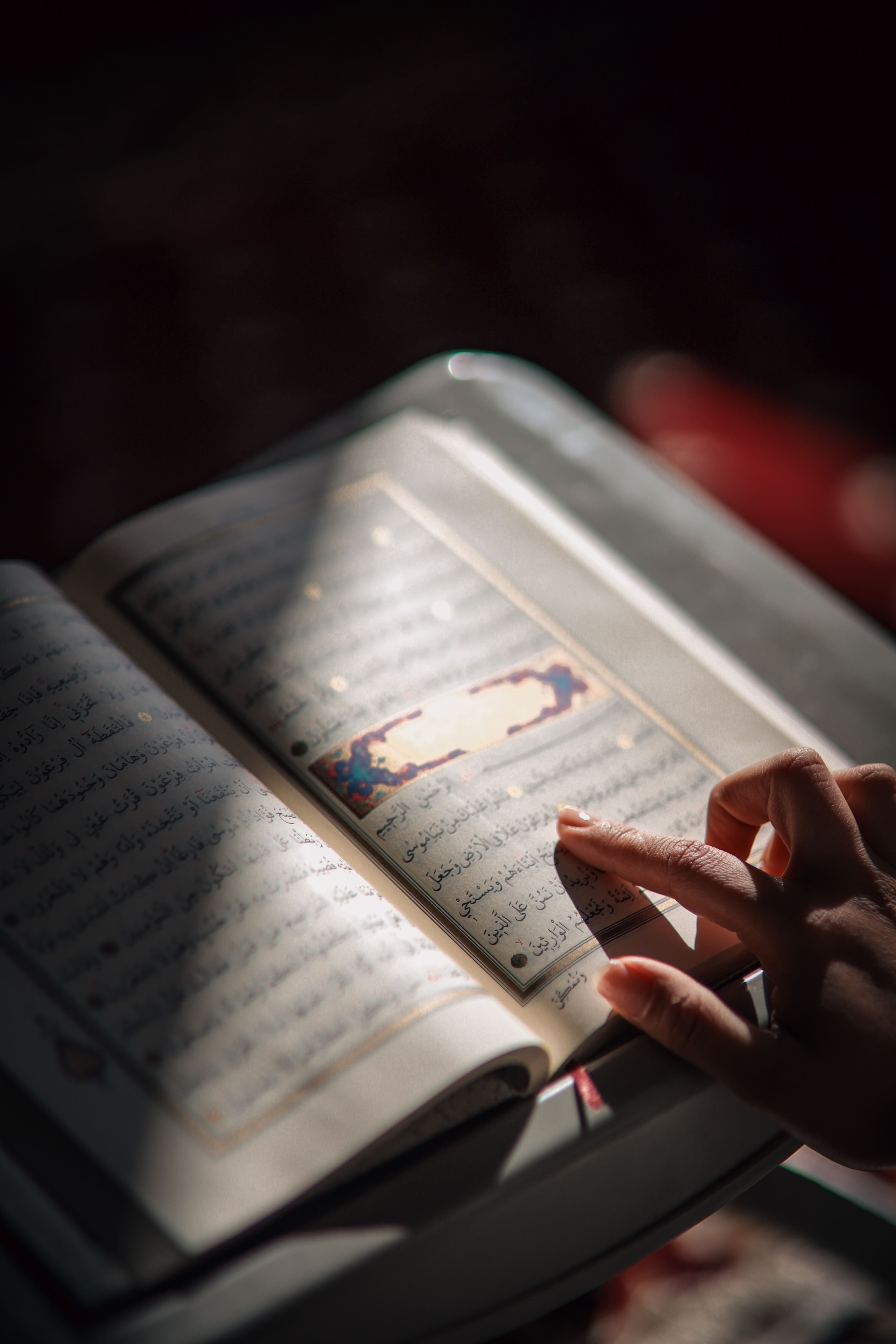
"My Lord, forgive me, and grant me a kingdom such as will not belong to anyone after me. Indeed, You are the Bestower." (Surah Sad, 38:35)
Notice the order. Forgiveness first, power second. This is not a conqueror's ambition; it is a servant who knows exactly where power comes from. And Allah answered: "This is Our gift, so give or withhold without account" (38:39).
A kingdom unique in human history. So what did it actually look like?
A kingdom beyond imagination
This is no fairy tale. What the Quran describes outstrips anything our most advanced technology can do:
- Humans and jinn in his service: the jinn built for him "prayer niches, statues, basins as large as reservoirs and fixed cauldrons" (34:13) — an unseen workforce with superhuman abilities.
- The wind at his command: "To Solomon, the wind — its morning course was a month's journey and its evening course a month" (34:12). It blew "gently by his command wherever he directed" (38:36). Classical commentators such as Ibn Kathir narrate that he travelled on a carpet carried by that wind; the carpet comes from exegetical reports, but the wind itself is Quranic.
- The language of birds and ants: "O people, we have been taught the speech of birds" (27:16). He heard a single ant warn her colony to take cover from his army — and he smiled.
- A throne moved in an instant: when Solomon wanted the Queen of Sheba's throne brought to him, the one "who had knowledge from the Scripture" delivered it before he could blink (27:40). No supply chain on earth comes close.
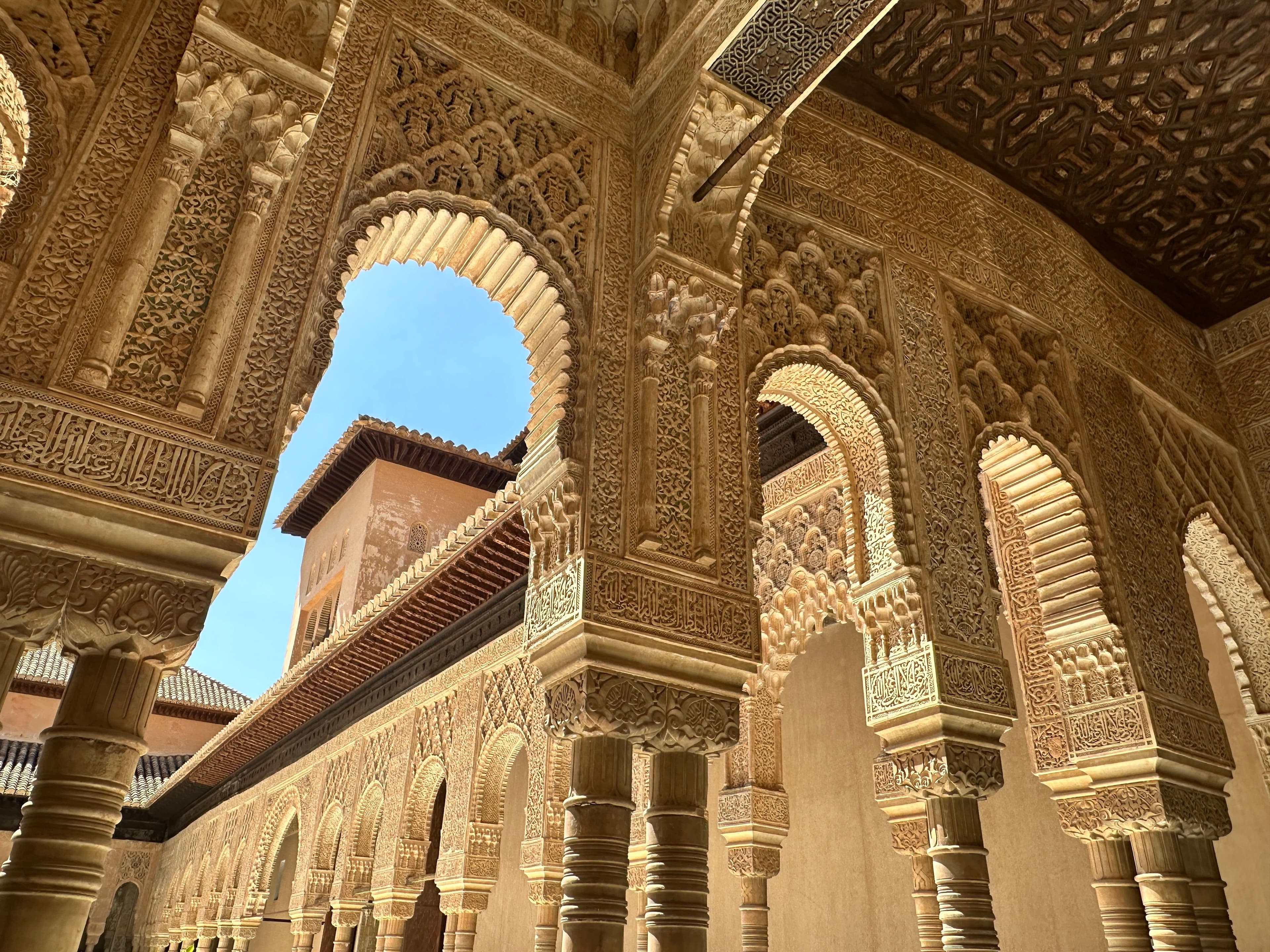
- A palace of crystal: entering his palace, Queen Bilqis thought she was stepping into deep water and lifted her dress. Solomon told her: "It is a palace paved smooth with glass" (27:44).
Nations submitted to him. Even the mighty Queen of Sheba came to him in the end.
Today's superpowers: the illusion of ruling the world
Looking at our own era, the comparison is hard to avoid. For decades, successive American presidents have given the impression of reigning over the globe, and many have acted the part: vast wealth, military bases on every continent, leverage over governments, currencies, markets and international institutions, and control of the communication networks that shape what billions of people see and think.
But when power forgets its source, it tends to bring its usual companions: arrogance, a sense of being untouchable, double standards, and at times outright transgression and injustice against weaker peoples.
And yet, look closer:
- No president commands the wind. Hurricanes regularly remind them of their limits.
- None understands the ant or the bird.
- None moves a throne across the world in an instant.
- None rules for more than a few years, and each depends on elections, donors, alliances and markets beyond their control.
Modern "omnipotence" is borrowed, fragile and temporary. Solomon's was a direct gift from Allah, without equal — exactly as he had asked.
Solomon's real secret: gratitude and justice
What makes Solomon's kingdom incomparable is not only its reach. It is how he used it.
Gratitude at the heart of power. When Bilqis's throne appeared before him, he did not say "behold my might." He said: "This is from the favour of my Lord, to test me whether I will be grateful or ungrateful" (27:40). Hearing the ant, he prayed: "My Lord, enable me to be grateful for Your favour" (27:19).
Justice down to the smallest creature. His army halted so as not to crush an ant colony. When the hoopoe went missing, he did not condemn it unheard: "…unless it brings me a clear justification" (27:21). The most powerful king on earth granted a bird the right to defend itself.
Respect for wisdom, even in a rival. The Queen of Sheba ruled by consultation: "I never decide a matter until you are present" (27:32). She and her people worshipped the sun (27:24), yet her wisdom led her to the truth: "I submit with Solomon to Allah, Lord of the worlds" (27:44). Solomon did not crush her; he guided her.
Why kingdoms built on injustice and greed never last
The Quran is, among other things, a record of fallen empires. The people of 'Ad asked: "Who is mightier than us?" (41:15). Pharaoh declared: "I am your lord, most high" (79:24). Qarun believed his fortune came from his own knowledge (28:78). All of them vanished.
The Prophet ﷺ warned: "Allah gives the oppressor respite, but when He seizes him, He does not let him go" (Bukhari). Ibn Khaldun, the great observer of civilisations, put it simply: "Injustice heralds the ruin of civilisation."
Greed — which our age has almost turned into a virtue — eats empires from within. The divine law does not change: "These are the days We rotate among people" (3:140).
Even Solomon's kingdom, the greatest of all, reminds us who truly holds power. He died leaning on his staff, and the jinn kept labouring, unaware, until a creature of the earth gnawed through the staff and his body fell (34:14). The mightiest of kings, returned to his status as a servant.
Lessons for us today
We are neither kings nor presidents. But each of us holds some kind of power: over a family, a team, clients, our words, our wealth.
- All power is a loan and a test, never an entitlement. The question is not "how much do I have?" but "am I grateful?"
- Justice toward the weakest is the true measure of greatness. Solomon stopped for an ant.
- Consultation and listening guard against arrogance, even when you are right.
- Don't be dazzled by empires built on injustice. They are powerful, but they are not lasting.
- Ask big, but ask Allah — and, like Solomon, begin with forgiveness.
Solomon's kingdom will never be matched; that is a divine promise. But its spirit — power in the service of gratitude and justice — is within reach of every one of us. Perhaps that is the true legacy of his answered prayer.
About the author
Abderrazak Memmiche
After a long career in the luxury hotel industry, I have chosen to dedicate myself to what truly matters. Driven by a profound spiritual quest, I share reflections and writings inspired by Islam through this blog, aiming to rediscover its authentic message: a message of peace, wisdom, and light, far removed from distortions and hateful rhetoric. My goal is simple: to convey a sincere, accessible message that remains true to the core values of Islam.
0 comments
Comments
No comments yet. Be the first to leave a thoughtful response.